
In doing so, she positioned the legislation as part of President Trump’s ongoing political agenda, citing a prior executive order that banned gender-affirming procedures for minors.
According to Greene, this legislation represented a fulfillment of Trump’s 2024 campaign promise to restrict such treatments.
Greene’s rhetoric during House floor debates underscored a familiar framing strategy: portraying gender transition interventions as “radical” and potentially harmful to children.
In one widely noted exchange, she held a poster depicting a minor who had undergone surgery, claiming that such procedures were inherently premature and unsafe. She argued that most Americans believe children should “grow up before they do anything radical, like a mastectomy on a 15-year-old girl.”
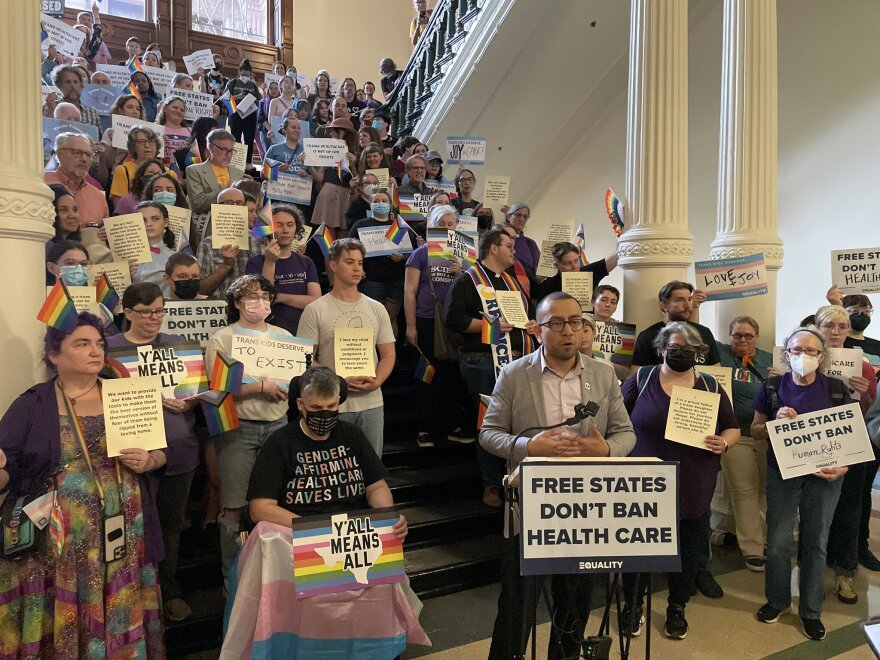
This framing, while resonant with some conservative constituencies, was immediately challenged by Democrats and medical experts as a misrepresentation of the evidence regarding gender-affirming care.
Several Republican lawmakers, including Barry Moore of Alabama, amplified this perspective, claiming that medical procedures for transgender minors were not only unnecessary but akin to abuse.
Moore’s statements emphasized the role of parental oversight and the perceived ideological influence of progressive medical frameworks, suggesting that framing these procedures as “lifesaving care” constituted indoctrination rather than therapeutic intervention.
In contrast, Democrats characterized the bill as an overreach of government authority into private family decisions.
Representative Jamie Raskin of Maryland criticized the measure for substituting political ideology for professional medical guidance, asking rhetorically whether the Freedom Caucus and President Trump “love America’s children more than their parents do.”
Medical experts and advocacy groups have consistently noted that gender-affirming procedures for minors are rare and carefully considered interventions.
California Democratic Representative Mark Takano emphasized this point during debate, asserting that procedures referenced in Greene’s discussion were exceptional cases rather than a widespread practice. Continue reading…