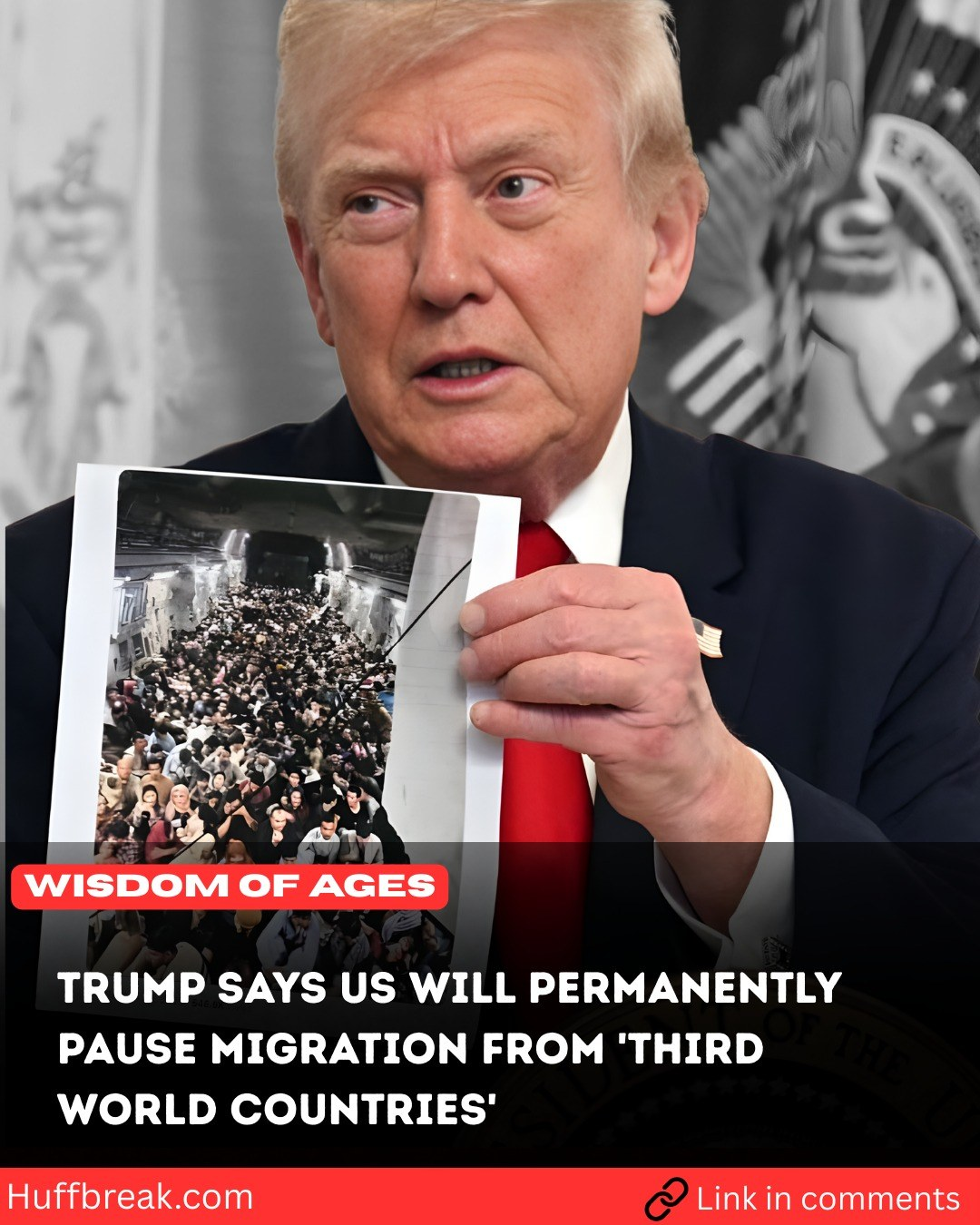
Millions of families now find their futures suspended in uncertainty. People who have lived in the U.S. for decades, contributed to their communities, and built their lives legally or through asylum are suddenly thrust into a state of fear. Children in schools wonder if their friends or classmates will be forced to leave. Workers worry about job stability. Entire communities—religious, cultural, and social—face the prospect of upheaval. Government agencies, from immigration services to social welfare programs, are suddenly tasked with freezing applications, revisiting approvals, and undoing years of administrative work, all under the threat of legal ambiguity.
The emotional flashpoint driving this policy is both stark and tragic: the recent killing of a National Guard member. Trump has repeatedly invoked the incident as justification for his sweeping measures, framing the tragedy as evidence that the country’s borders and communities are in mortal danger. The strategy is politically potent—linking individual sorrow to national security—but critics argue it weaponizes grief, turning a singular loss into a rationale for broad punitive action against entire populations. Families of victims, policymakers, and citizens alike are caught between mourning and debate, unsure whether emotion or reason will dominate in the unfolding political storm. Continue reading…