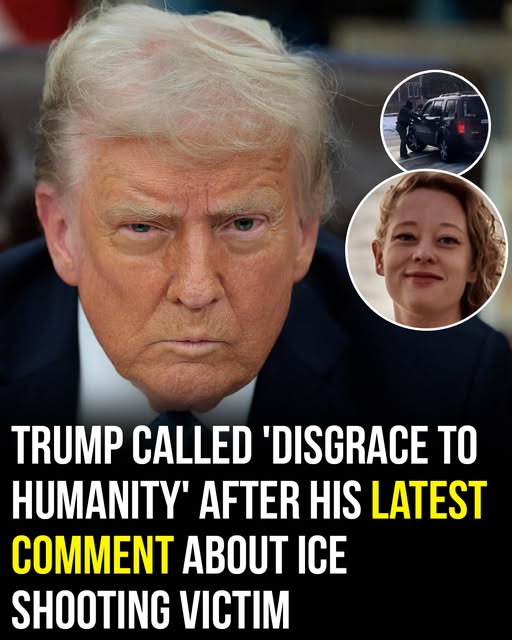
Trump Criticized Online After Statement Regarding ICE Shooting Victim Renee Nicole Good
As with Trump’s remarks, the DHS statement was met with sharply divided reactions. Supporters viewed it as a necessary defense of officers doing their jobs under difficult conditions. Critics argued that it reinforced a narrative before investigators had completed their work.
Vice Presidential Support and Escalating Rhetoric
Vice President JD Vance added his voice to the debate later that evening. In a series of posts on social media, he acknowledged that the death was tragic but asserted that responsibility lay with the actions that preceded it.
He warned against interfering with federal law enforcement operations and emphasized that the administration would continue enforcing immigration laws aggressively.
Vance’s comments echoed a broader theme emerging from the White House: sympathy for the loss of life could coexist with firm institutional support for law enforcement, even while investigations were ongoing.
Together, the statements from the president, vice president, and DHS created a unified federal stance—one that contrasted sharply with the responses from Minneapolis city leaders and many state and national Democrats.
The Role of Video in Shaping Public Judgment
A defining feature of the case has been the role of video footage. In an era of constant recording and instant sharing, visual evidence often becomes the centerpiece of public debate. Yet video rarely tells a complete story. Angles, timing, and context can shape perception in powerful ways.
