Public Reaction and Immediate Outrage
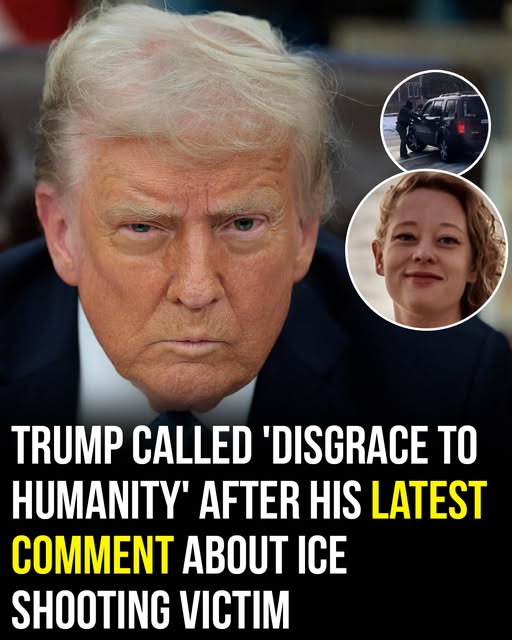
As the footage spread online, reactions were swift and intense. Protests erupted in Minneapolis and other cities, with demonstrators calling for accountability and demanding answers from federal authorities.
Many critics questioned whether lethal force was justified, particularly given the brief and chaotic nature of the encounter.
Civil rights advocates and legal analysts pointed out that video evidence often becomes central in determining whether law enforcement actions align with established use-of-force standards.
The emotional response was amplified by the visibility of the footage itself. Unlike written reports or official summaries, video invites the public to form immediate judgments — sometimes before all facts are known.
Democratic Leaders Condemn the Shooting
Several prominent Democratic lawmakers publicly condemned the incident, using unusually strong language.
Representative Alexandria Ocasio-Cortez characterized the killing as a “public murder,” stating that what viewers saw in the video represented a profound failure of restraint and accountability. S
he described the incident as emblematic of broader fears surrounding aggressive enforcement tactics and civilian safety.
Minneapolis Mayor Jacob Frey delivered one of the most forceful responses. During an emotional press conference, he criticized ICE’s presence in the city and accused the agency of undermining public trust.
He rejected claims that the shooting was an act of self-defense, stating that based on his own viewing of the video, that explanation did not align with what he observed. His remarks reflected a growing divide between local leadership and federal immigration authorities — a divide that has existed for years but has now intensified dramatically.