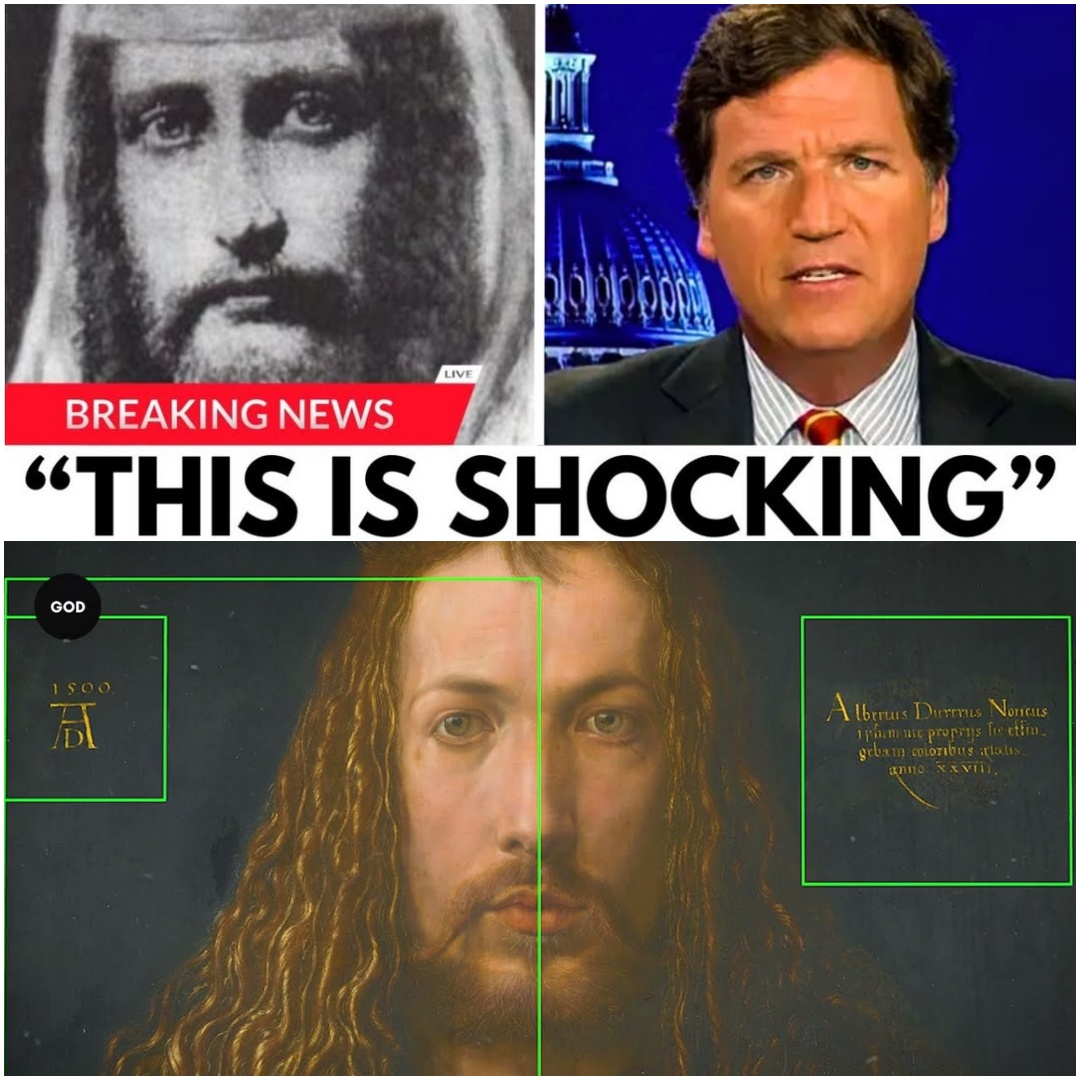
It’s the Jesus of Renaissance canvases, not a dusty field report from Judea.
Authenticity Question (Where the Story Cracks)
Here’s where the romance meets the record.
- No Roman “Publius Lentulus” is attested as governor of Judea. Roman prosopography—the meticulous catalog of officials—doesn’t place a Lentulus in that role.
- The Latin reads like a later style, not Tiberian bureaucracy. Scholars spot vocabulary and phrasing that smell medieval or Renaissance.
- First appearance: the text surfaces in European manuscripts centuries after Jesus. There’s no contemporary Roman archive trail.
- The clincher: Its physical description mirrors post-Constantinian iconography—the bearded, long-haired Christ that became standard after the 4th century.
Textual critic: “It’s a pious pastiche—beautiful, influential, but not a first-century memo.”
How Art Shaped the “Face of Jesus”
If the Lentulus letter isn’t ancient reportage, why does it feel so familiar? Because Western art taught us to see it.
- Early images: In the first centuries, Christ was often shown youthful, Apollo-like, or as the Good Shepherd—no standard portrait.
- After Constantine: The bearded Pantocrator type (solemn, frontal, shoulder-length hair) becomes dominant.
- Renaissance effect: Artists blend sacred icon with courtly portraiture, often projecting European features. That aesthetic echoes inside the Lentulus description like a feedback loop.
Art historian: “The letter reads like ekphrasis—word-painting—of the image tradition, not a source for it.”
Threads People Weave In: Pilate, Galilee, and the Shroud
The viral soup often stirs in other ingredients.
- “Pilate’s letters to Rome”: colorful, but no authenticated cache exists describing Jesus’s looks.
- Historical Jesus: A Galilean Jew in the first century likely had brown eyes, dark hair, and olive-to-brown skin. The New Testament is famously sparse on physical details.
- Shroud of Turin analyses: Forensic-style reconstructions abound, but the Shroud’s authenticity is debated; even admirers concede it cannot supply eye color or hair hue with certainty. Numbers about “cranial capacity” and “genius” leap far beyond what the image can prove.
Archaeologist: “From a single cloth or a late text, you cannot reverse-engineer a passport photo.”