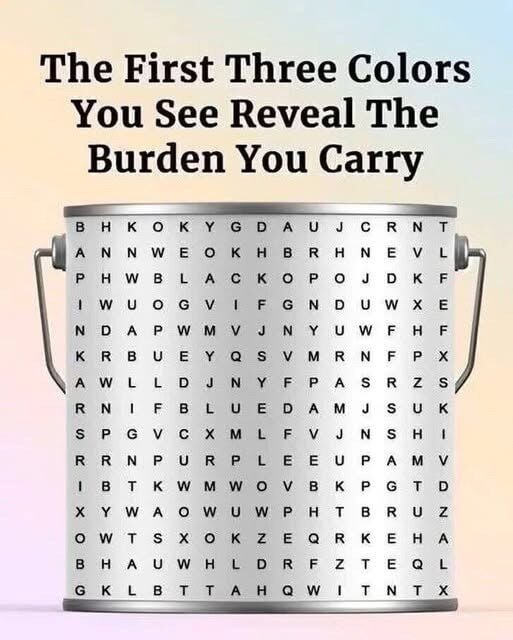
Our reactions to color run deeper than preference—they’re physiological. Studies show that red can raise heart rate and energy levels, while blue slows breathing and lowers blood pressure. Yellow tends to stimulate mental activity, and green supports calm focus.
Culture also shapes color’s meaning. In Western contexts, white signals purity and new beginnings; in parts of Asia, it represents loss and transition. Red may mean love, danger, or celebration depending on where you are.
Regardless of culture, one truth remains: color bypasses logic. It reaches emotion first, then thought. That’s why a single color can shift your mood before you even notice.
Everyday Color, Everyday Emotion
Continue reading…