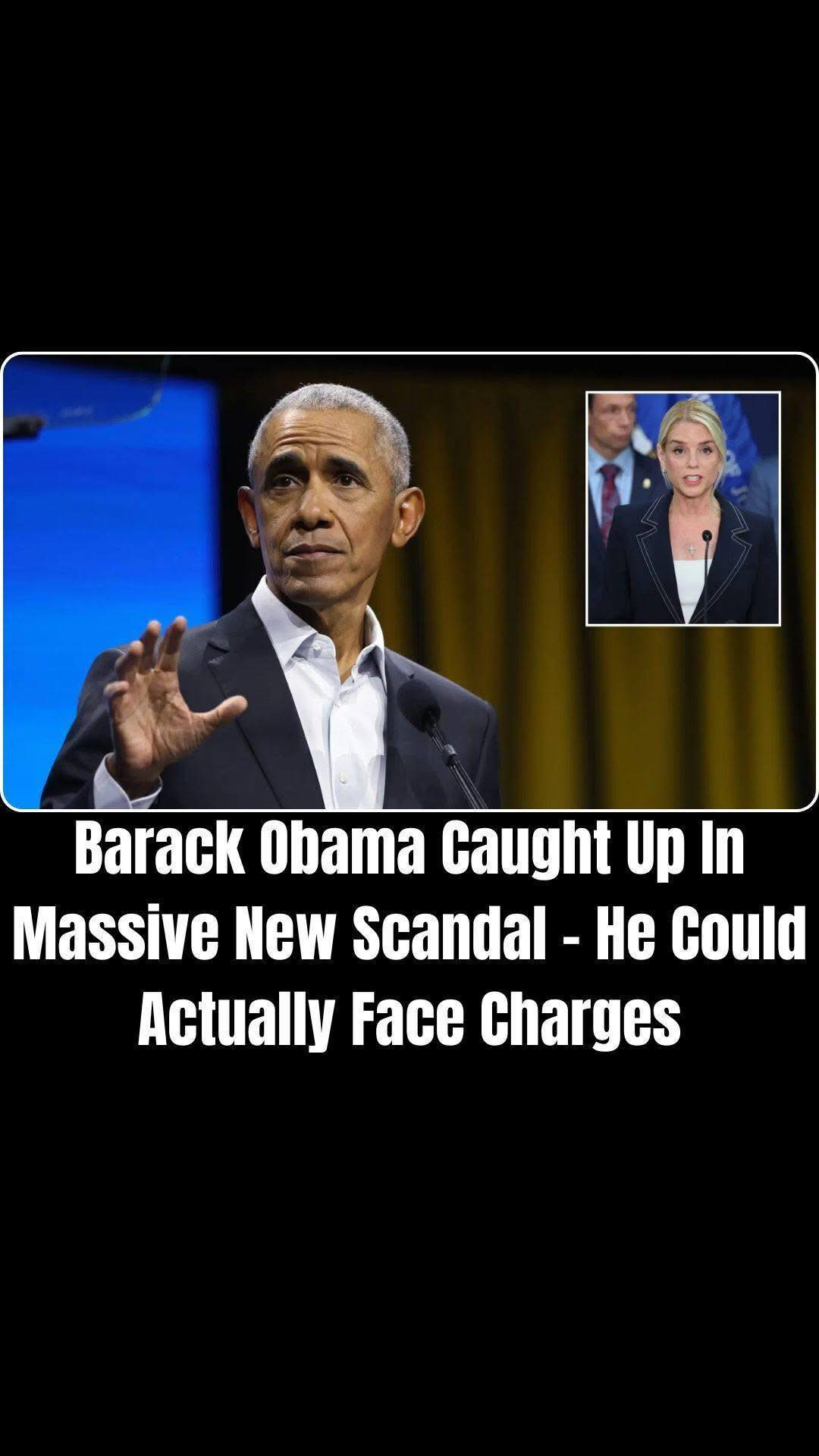
The congressional investigation is seeking to peel back the layers of these “donor-advised funds” and fiscal sponsorships. Lawmakers are demanding more transparent reporting on how money is moved through these hubs, arguing that the American public has a right to know if charitable tax deductions are being used to undermine national social cohesion or support foreign-aligned interests. The “murky world of progressive philanthropy,” as some have termed it, relies on a lack of sunlight to operate. By exposing the links between a prestige foundation and controversial campus movements, the inquiry aims to force a reckoning within the non-profit sector.
This controversy highlights a growing rift in the American philanthropic landscape. On one side are those who believe that foundations should be free to fund any group they choose without fear of “reputational blowback.” They argue that the Tides model protects the privacy of donors and allows for experimentation in social justice. On the other side are those who believe that the lack of transparency is a threat to democratic accountability. They argue that when billions of dollars flow through “black box” foundations to influence American culture and politics, the “donor-advised” shield becomes a tool for subversion rather than charity.
As the 2025 political cycle intensifies, the $2 million grant has become a potent symbol for those critical of the Obama legacy. It serves as a flashpoint for broader frustrations regarding the influence of “Soros-linked” groups and the perceived radicalization of the Democratic Party’s donor base. While the Obama Foundation maintains that its intentions were purely focused on domestic youth safety, the reality of modern political funding is that money is fungible. A dollar given to a massive network like Tides frees up another dollar to be used for more controversial, less “safe” projects.
Ultimately, the story of the redirected millions is a story about the loss of institutional trust. When the public sees a former leader’s foundation linked—however indirectly—to groups that excuse terrorism or fuel ethnic tensions on campus, it erodes the belief that these organizations are acting in the common good. The “distance-by-design” strategy may have worked to protect the foundation in the past, but in an age of digital transparency and heightened political awareness, the layers of separation are beginning to thin. The legacy of the 44th president is now tied to a financial network that must answer for its role in the shifting, often volatile, landscape of American social activism.
The path forward for the Obama Foundation will likely involve a choice between continued use of opaque fiscal sponsors or a move toward more direct, transparent grant-making. Until then, the $2 million transfer remains a vivid example of how elite philanthropy can inadvertently—or perhaps intentionally—fuel the very fires it claims to be extinguishing. The safe spaces of the inner city and the radical encampments of the Ivy League are now linked by a common financial thread, leaving the American public to decide where the true responsibility lies.