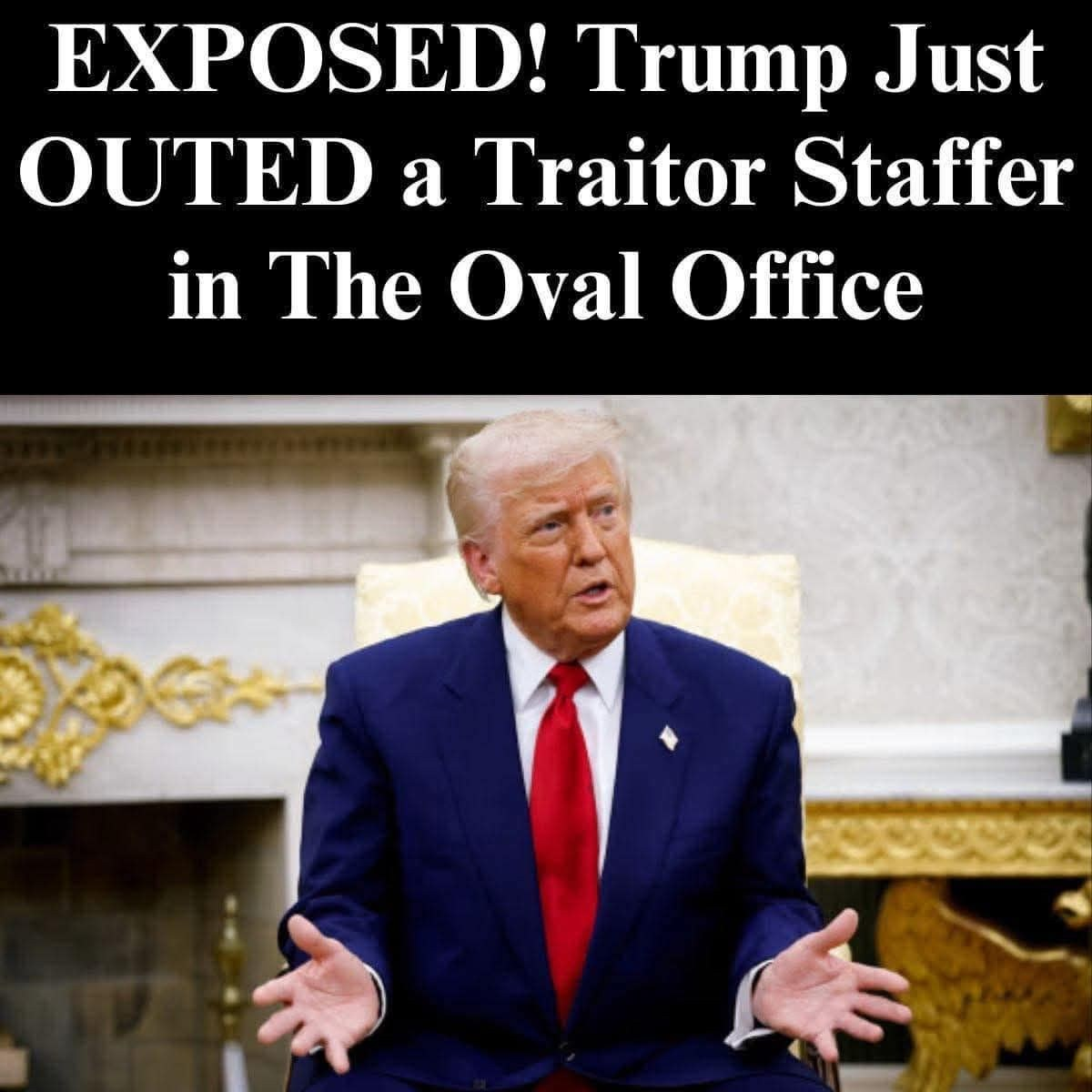
From the moment the order became public, it was clear that its meaning would be contested. Supporters and critics interpreted the same action in sharply different ways, each framing it as confirmation of long-held beliefs about power, loyalty, and accountability.
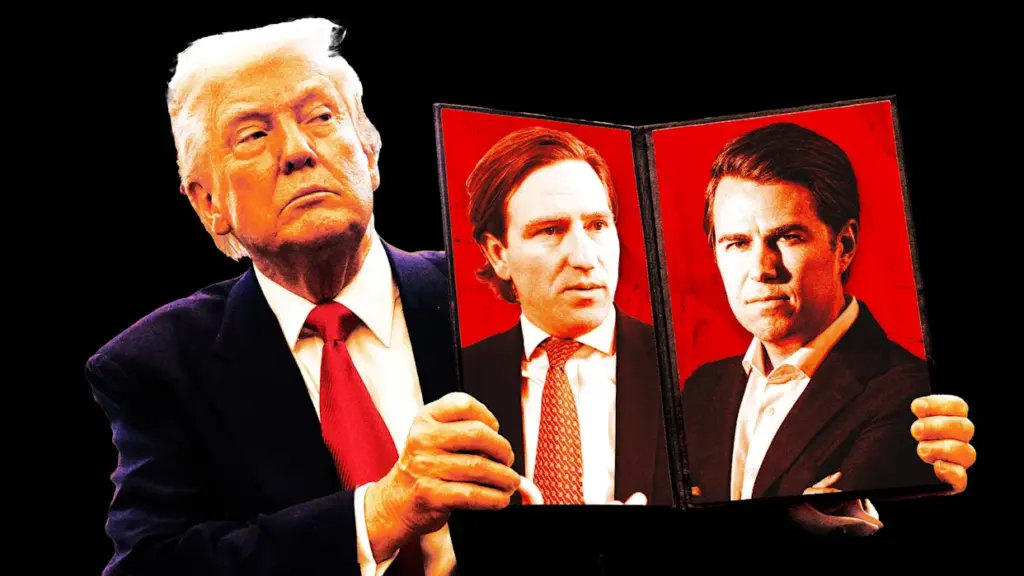
What united both sides, however, was the recognition that this decision extended beyond the two individuals named. It touched broader questions about how institutions respond to internal disagreement and how democratic norms are tested during periods of political polarization.
Chris Krebs, who served as director of the Cybersecurity and Infrastructure Security Agency (CISA), became a central figure in this renewed debate largely because of his public defense of the integrity of the 2020 election infrastructure.
His statement at the time—that the election was “the most secure in U.S. history”—was widely reported and cited by election officials, media organizations, and international observers.
For many, that declaration symbolized institutional steadiness during a volatile moment. For others, it later came to represent what they saw as excessive certainty in a complex and evolving situation.
Miles Taylor’s role followed a different but equally controversial path. Known for authoring an anonymous opinion piece critical of the administration while serving within the Department of Homeland Security, Taylor became a symbol of internal dissent.
To supporters, his actions reflected a form of principled resistance within government. To critics, they raised concerns about loyalty, transparency, and the appropriateness of anonymous opposition from within executive institutions.
The renewed focus on both men reflects a broader struggle over how dissent is defined when it occurs inside government. In democratic systems, disagreement is often framed as a sign of institutional health. Continue reading…