Second, children often engage in outdoor activities—playing in wooded areas, grass fields, or parks—where ticks are more likely to be encountered. Finally, young children may not notice or communicate minor irritations on the scalp, allowing the tick to remain undisturbed while it feeds.
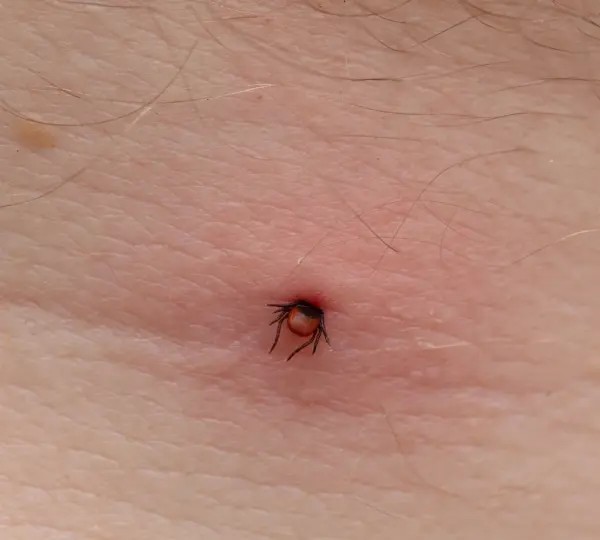
The Tick’s Feeding Process and Physical Transformation
One of the most disorienting aspects of finding a tick is the way it changes as it feeds. When a tick first attaches, it may appear tiny and inconspicuous.
As it draws blood from the host, it gradually engorges, swelling into a rounded, pebble-like form that looks markedly different from the insect it once was.
This transformation can make identification difficult for those unfamiliar with ticks. The engorged tick appears inert, almost unnatural, leading many parents to initially mistake it for a wart, scab, or benign growth. Continue reading…